
The Next Auction Advantage Is Hidden Under the Dash
A condition report tells an important story. Diagnostic evidence can add another chapter—if it reaches the team before the decision.

The panel gap and the module finding
An experienced condition reporter sees the mismatched paint, the damaged trim and the worn interior. That work matters. But a vehicle also carries information that does not announce itself in a walkaround: module-level diagnostic findings, code context and evidence that may justify a more focused mechanical review.
The next auction advantage is bringing those layers together. Arrange visual, diagnostic and human inspection evidence so each reaches the right person while action is still possible. The business mechanism is straightforward: clearer information can focus review, reduce searches between departments and help the team explain its decision before the car changes hands.
For a general manager, this is an operating design problem. Which decision needs more evidence? Who reviews it? What is the next action when the evidence is incomplete or concerning? Those questions should come before a discussion about adding another screen.
What the condition report does—and does not—do
The NAAA Auction Condition Report Position Statement updated June 1, 2026 describes the limits of visual inspection for mechanical and electrical conditions, among other systems. An auction condition report reflects observable condition at inspection; it is not a diagnostic guarantee or certification of safety and roadworthiness.
That distinction protects the value of the visual report rather than diminishing it. A walkaround describes what the reporter can observe; a diagnostic scan adds supported module evidence; the inspector investigates what needs a closer look. Give each record a clear role so staff can use the combination without confusing one type of evidence with another.
Build the release conversation around that combination. Let the condition reporter identify visible concerns, the scan record surface relevant module findings and the inspector document the follow-up. Local inspection, disclosure and arbitration policies guide the final decision. Keeping those responsibilities visible gives sellers and buyers a clearer explanation of what was reviewed.
A second layer of evidence
Supported OEM-level scanning can add findings from accessible modules, including engine, transmission, ABS and airbag systems where the vehicle and workflow support them. Keep the scan’s completion status with the record so the team can distinguish available evidence from a module that still needs follow-up. That helps the inspector prioritize the next question.
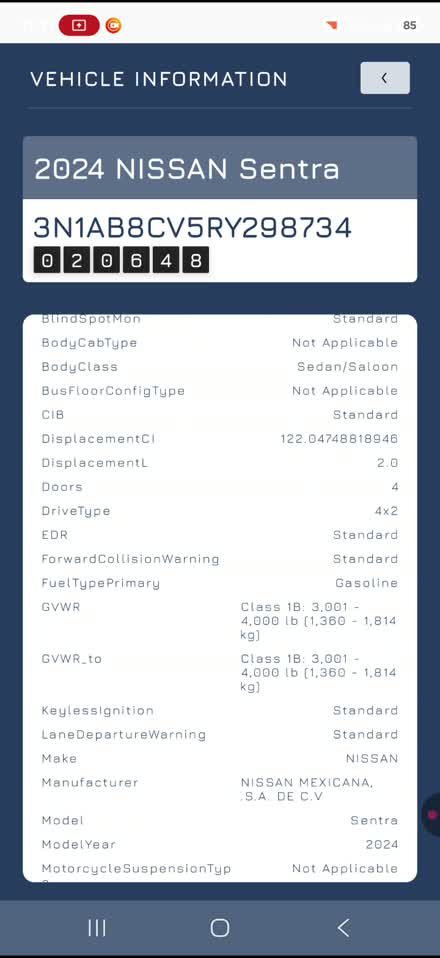
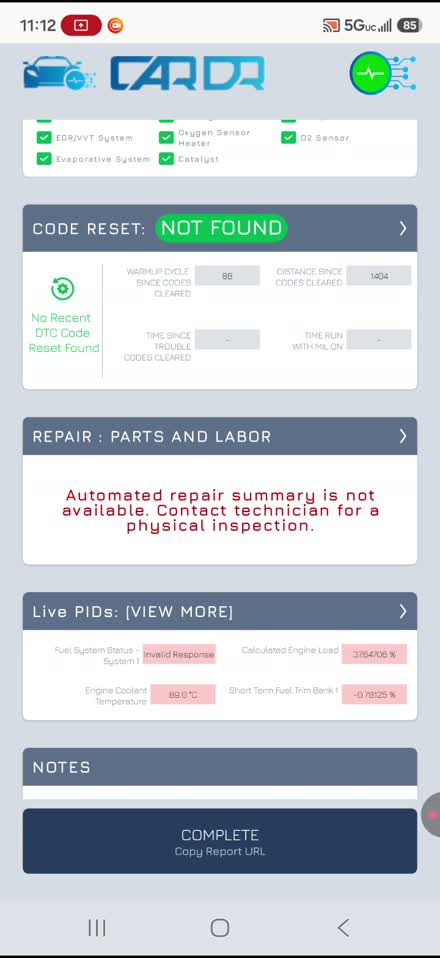
Code severity, reset context and estimated repair implications can guide inspection priorities. Consider a hypothetical ABS-related finding: the report gives the inspector a starting point for reviewing warning lights, service history and relevant physical observations. Repair-cost estimates add planning context to that discussion, helping the decision owner decide what further review is useful before release.
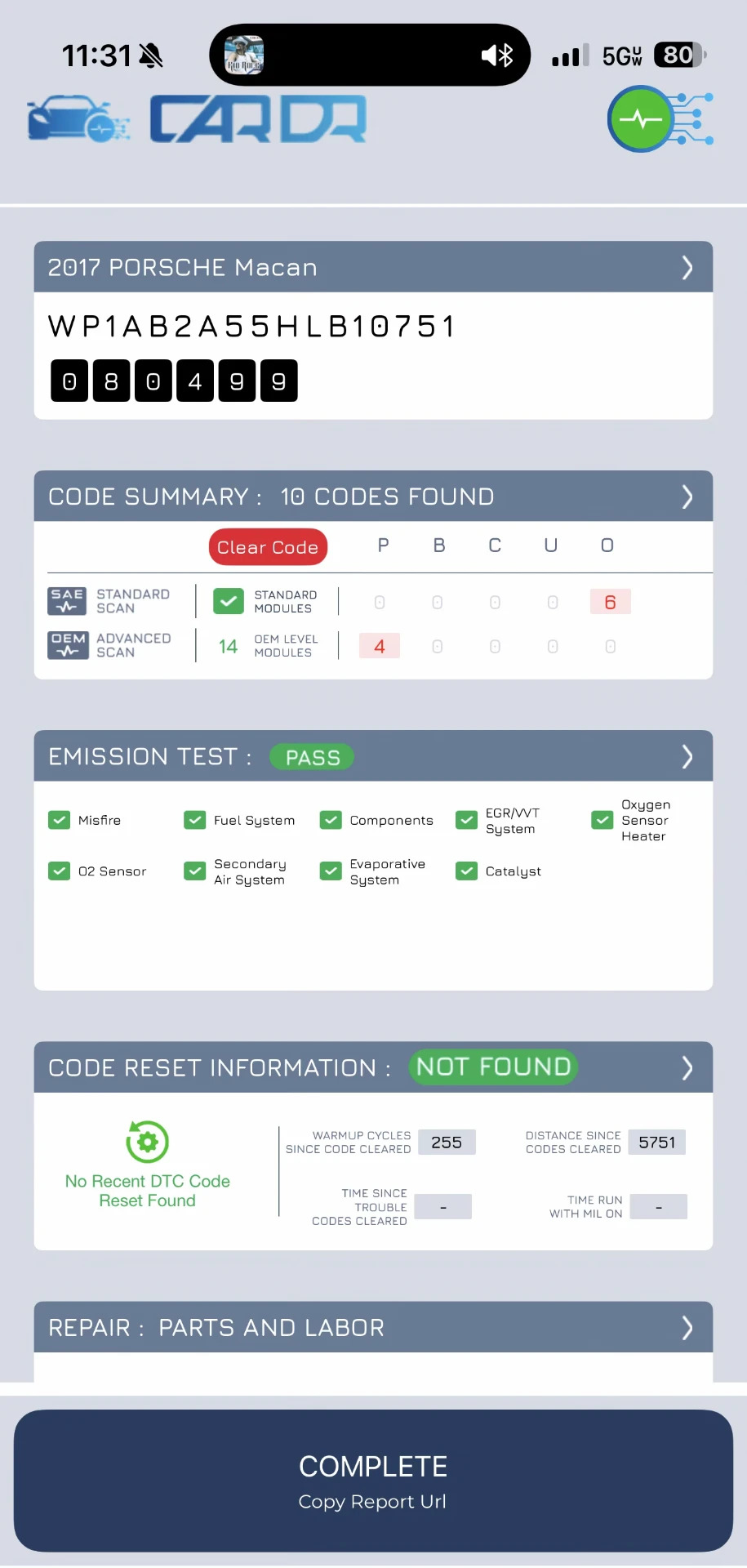
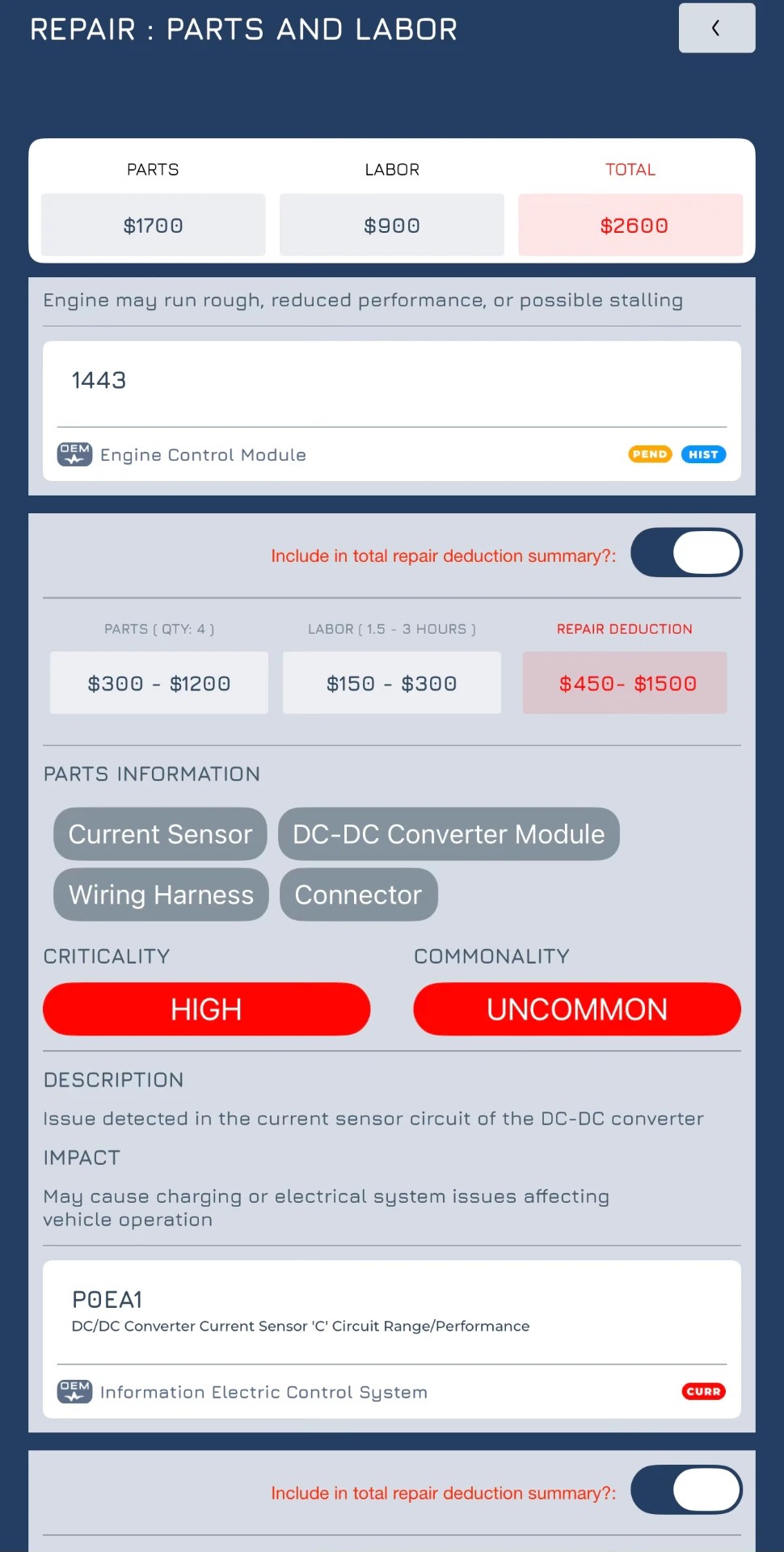
Capture the evidence before the decision and preserve the record of what the team reviewed. Linked reports can make the handoff between check-in, inspection and release easier to follow. During integration scoping, agree who can access the record and whether any information will be published to buyers under the configured workflow and operating policy.
Start stand-alone, or scope supported integration
A stand-alone app gives a pilot team a clear starting point for supported diagnostics. An SDK integration can bring diagnostic work into an existing inspection workflow, letting the team connect vehicle data with the record it already uses. The CarDr SDK reference describes the iOS interface and the division between mobile collection and cloud integration.
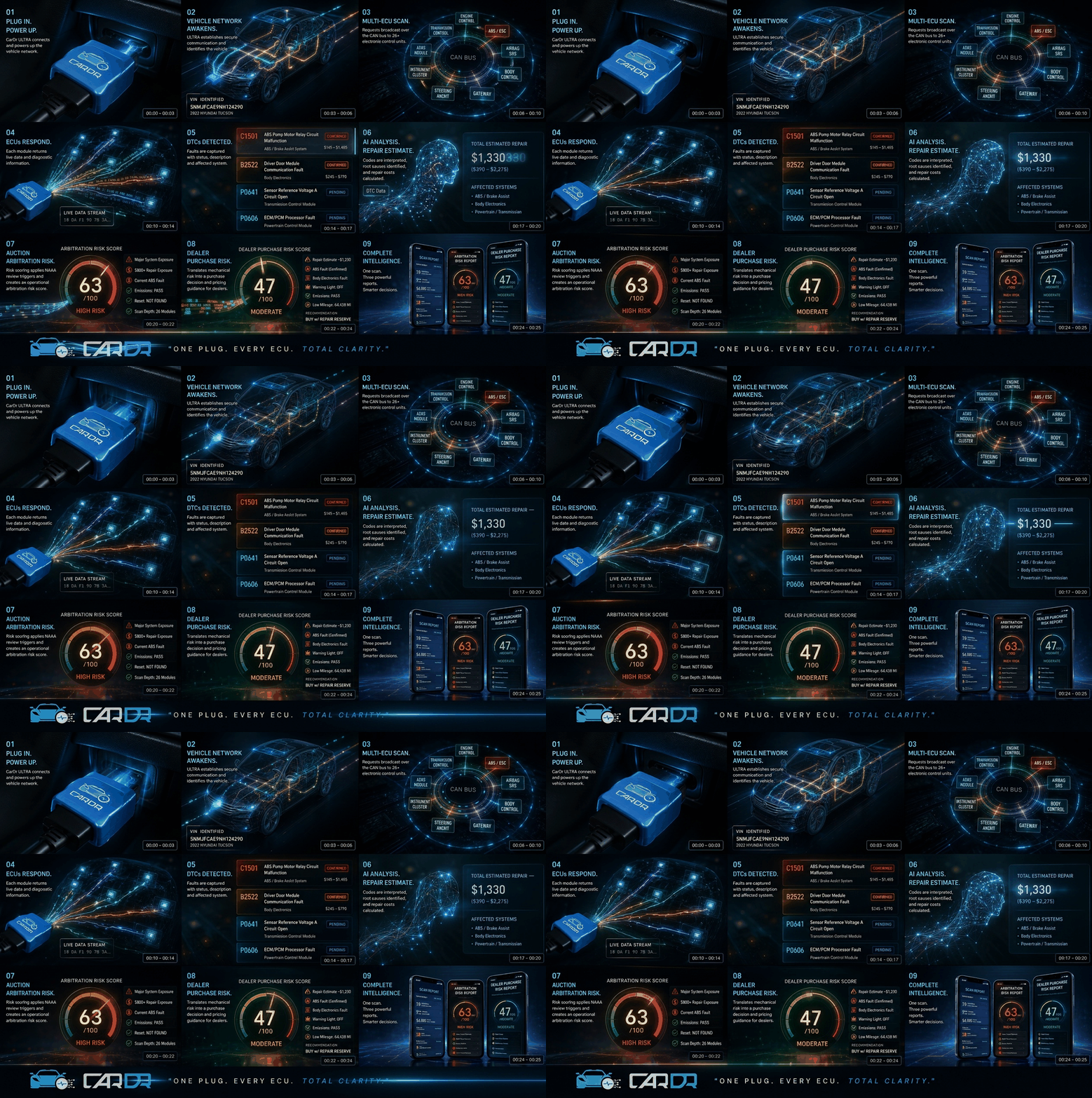
Platform and vehicle compatibility are confirmed during scoping. Work with the integration team to map device connection, required inputs, report access and the decision screen to your operation. Walk through a complete vehicle handoff before the pilot so staff know where the finding appears and how to record the next action.
The strongest integration begins with a practical task: a scanner shares a completed record, a decision owner reviews a flag and an inspector receives the relevant evidence. Connecting those steps can make the existing process easier to operate. Start with one decision point, resolve its exceptions and expand from what the team learns.
Five questions before the first integrated scan
First, identify the decision point: outside check-in routing, a certification review or another defined handoff. Specify what action can still change there. Second, confirm the supported platform and the vehicles expected in the pilot, including how unsupported or incomplete cases are handled.
Third, agree data and report access. Decide who sees the flag, who opens the report and whether any information is shared with a buyer. Fourth, name the workflow owner who acknowledges findings, records inspection conclusions and handles exceptions. Technology does not eliminate that responsibility.
Fifth, establish pilot tracking: baseline touches, review completion, ready time and subsequent claims for a comparable eligible population. Include actual fees and operating effort. Agree the definitions with operations and finance before scanning begins, then review the findings together. A useful scorecard should connect the data to decisions the GM can actually change.
The advantage is the decision—not the dashboard
Start with one workflow where a clearer record could change the next action. Bring the condition reporter, inspector and decision owner into the pilot conversation, then review where evidence helped and where a handoff still needed work. This is how an auction can explore mechanical intelligence as an operating advantage rather than simply add another dashboard.
A useful record under the dash becomes useful business evidence only when someone can review it, question it and choose an appropriate next step. Build the handoff around that moment. Keep the visual report, keep the inspector and give both a better-informed conversation.
Questions from the GM’s desk
Does mechanical intelligence replace a condition report?
No. Visual reporting, supported diagnostic evidence and human inspection are complementary. None guarantees a defect-free vehicle.
Are all modules accessible on every vehicle?
No. Vehicle support and scan completeness vary. Engine, transmission, ABS and airbag findings are available only where supported and accessible.
Are diagnostic reports automatically shared with buyers?
No. Buyer publication depends on the configured integration, report access and the auction’s operating policy.
Sources & methodology
Grounded in the NAAA Auction Condition Report Position Statement updated June 1, 2026 and the CarDr SDK reference. NAAA does not endorse or mandate CarDr scanning. Visual reports and diagnostics do not guarantee a defect-free vehicle or make legal arbitration determinations. Vehicle support and scan completeness vary; codes do not confirm component failure, resets can be benign and estimates are planning context. Physical inspection remains necessary. The ABS example is hypothetical; buyer publication depends on configured integration. Pilot measures are recommendations, not performance results.