
Your Best Inspectors Shouldn’t Be Stuck in Traffic
The scarce resource isn’t just a parking space. It’s an experienced inspector’s attention—and the handoffs that protect it.

Attention is a capacity constraint
Your best inspector can recognize an unusual symptom, ask the right follow-up question and tell a manager when the evidence doesn’t fit the story. Those skills are valuable. Driving across the lot to retrieve a vehicle or hunting through records does not make the same use of that expertise.
A busy auction can mistake motion for inspection capacity. People are occupied, cars are moving and the queue looks active. But when expert attention is repeatedly interrupted, the operation may be spending its most useful resource on handoffs that could have been better organized.
Put expertise where the risk is. Give the inspector the relevant finding before the vehicle arrives at the inspection point, and give the decision owner a clear way to acknowledge the result. The opportunity lies in a better-organized working day: fewer searches, clearer priorities and more attention available for the questions that need experience.
What the Northeast workflow conversation reveals
Anonymous Northeast operating feedback described less lot driving, improved throughput and fewer staff needed for the workflow. The common thread is a simpler handoff: getting diagnostic information closer to the point where the team decides what to do with a car. That gives a GM a concrete place to begin reviewing the operation.
Consider a hypothetical busy sale morning. Morgan, the check-in scanner, completes the scan and shares the result. Alex, the decision owner, reviews a flag before assigning the next route. Jordan, the inspector, receives the relevant report with the vehicle. These are illustrative roles, not a customer account: the point is to make the next task clear before anyone drives across the lot.
Use the Northeast feedback to frame a conversation with your own team. Where does an inspector wait for information? Which vehicles get moved before anyone has reviewed the record? Can the decision owner resolve a handoff while the vehicle is still at check-in? Walk the process together and choose one repeated interruption to address in the pilot.
Give the handoff three named owners
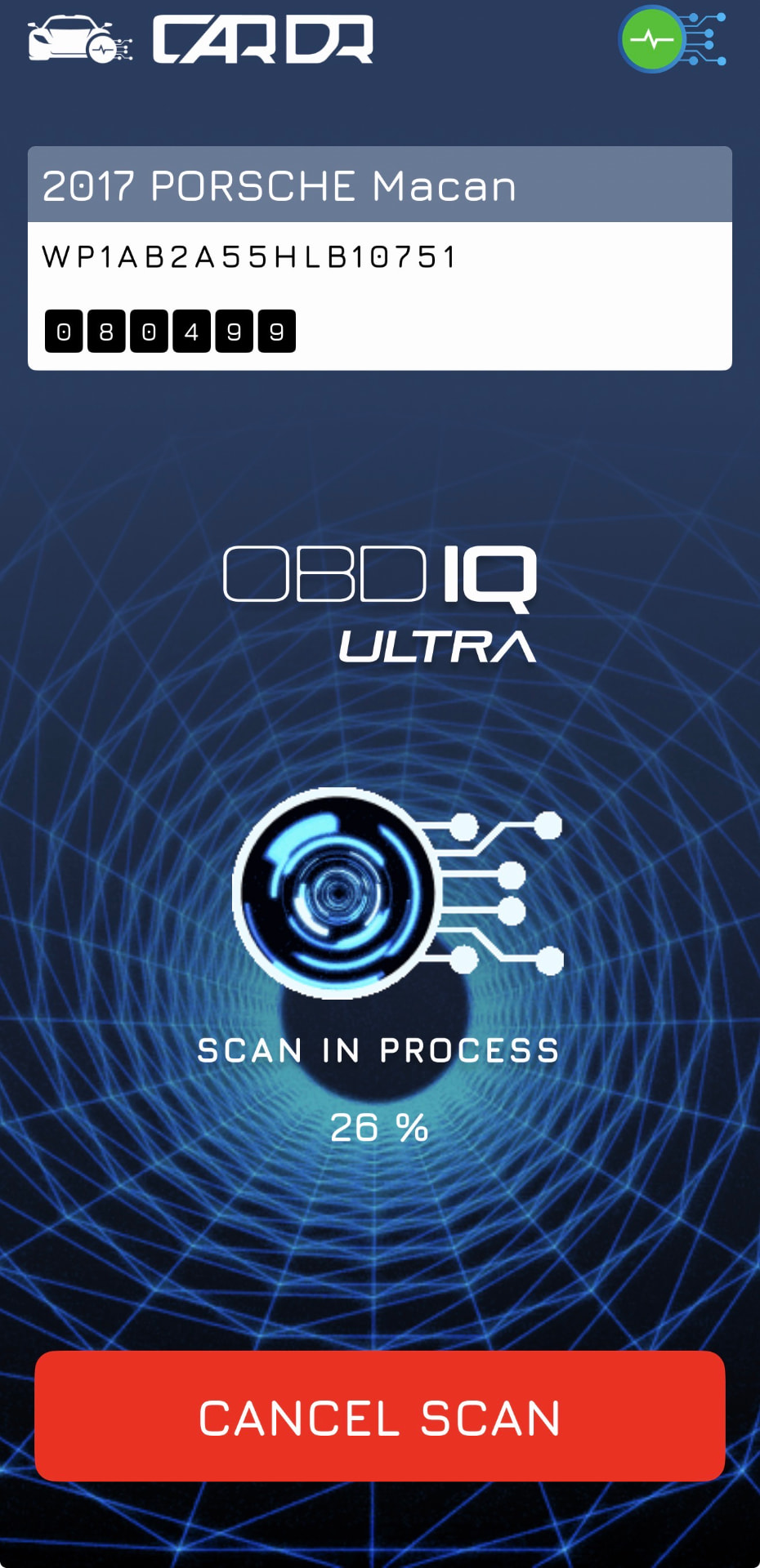
Start with the check-in scanner. That person connects the ULTRA adapter, completes the supported diagnostic workflow and makes the result available. A failed or incomplete scan must be escalated; it must never be interpreted as a clean vehicle because no flag is visible.
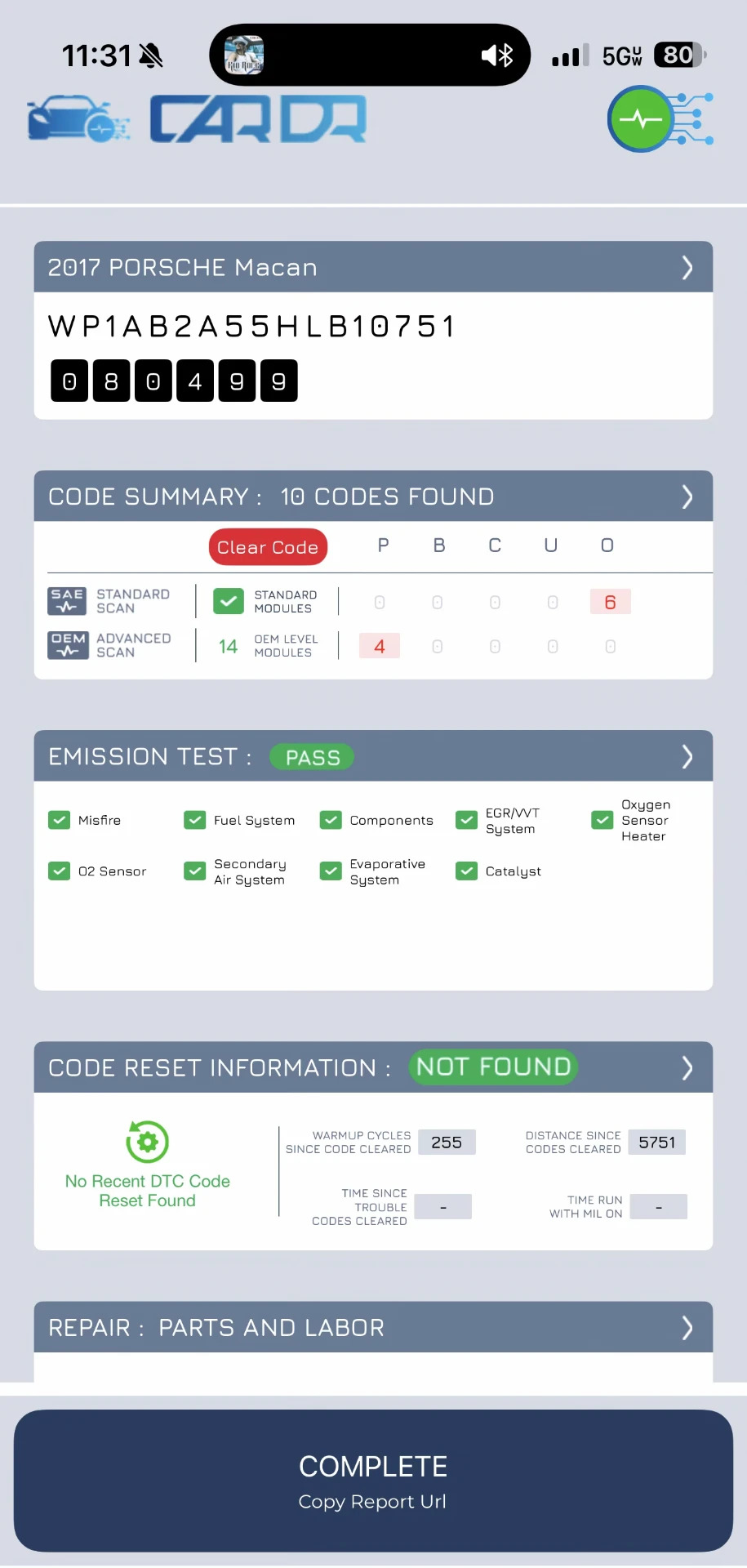
Next comes the decision owner. This person acknowledges the flag and reviews the relevant report before choosing a route under local policy. Record scan completeness, exceptions and scan confidence information where available in the configured workflow. Make those details part of the handoff so an inspector knows whether the record is ready for review or needs follow-up.
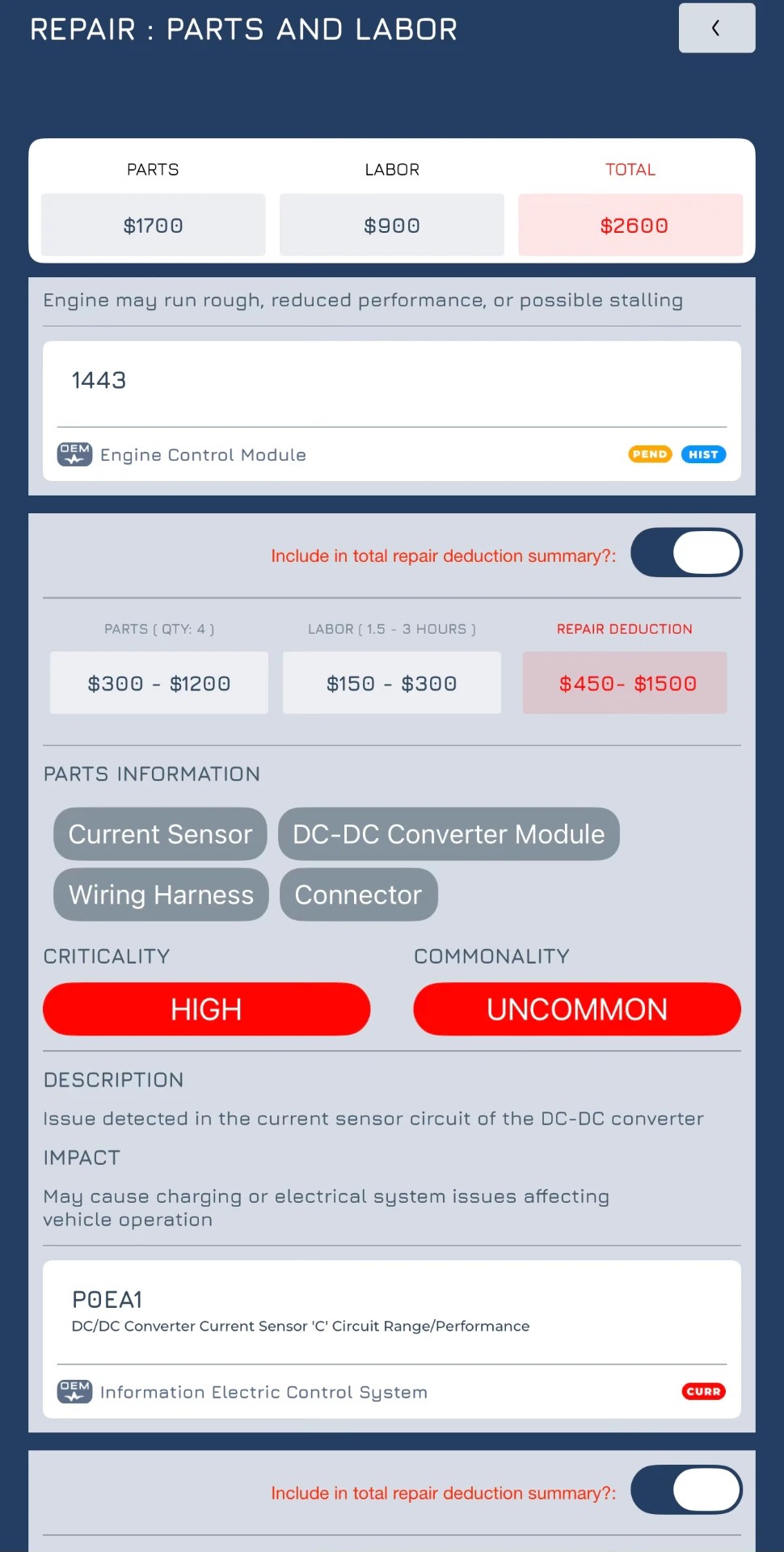
The inspector then performs the focused or required physical review, records findings and hands back enough context for a documented decision. The vehicle’s next team should see what was reviewed and what remains unresolved. Responsibility can sit with existing staff; clarity matters more than a new job title.
Measure work, not just activity
A useful pilot scorecard starts with touches per vehicle and active inspection time. Define a touch consistently, and distinguish actual inspection work from waiting, driving and searching. Keep arrival-to-ready time as a separate measure so a local improvement doesn’t hide a longer end-to-end queue.
| Measure | Definition | Why it matters |
|---|---|---|
| Touches per vehicle | Every move, defined consistently | Shows avoidable handling |
| Active inspection time | Hands-on inspection only, excluding driving and searching | Shows where expertise goes |
| Arrival-to-ready time | Arrival to ready status | Catches hidden queues |
| Flagged share | Flagged ÷ completed scans | Sizes the review workload |
| Review completion | Flags reviewed ÷ flags raised | Shows whether the team acts |
| Subsequent claims | Comparable eligible population | Outcome check |
| New work and fees | Connect, scan, review, exceptions, fees | Keeps the ledger honest |
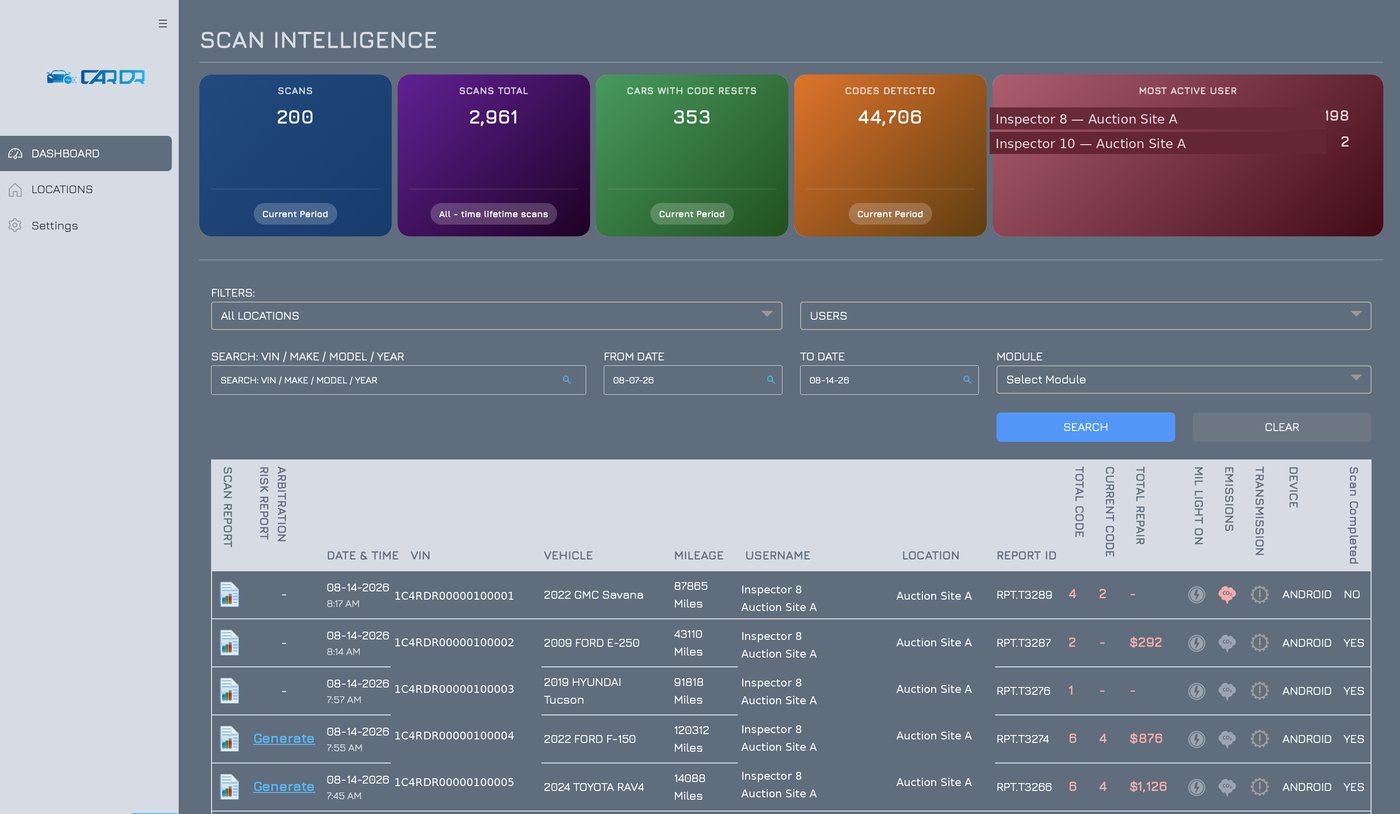
Record the flagged share and review completion on the pilot scorecard. Together they show the review workload and whether the team acted on available information. Track them by shift or arrival group when useful, then discuss exceptions with the people doing the work. A consistent review habit is as important as the number of flags.
Follow subsequent claims for a comparable eligible population. Keep the baseline and pilot definitions aligned, with enough follow-up for outcomes to appear. Separate scans that completed, scans that failed and vehicles outside support. A denominator that changes halfway through a pilot can make an attractive dashboard untrustworthy.
Include the new work: connection effort, report review, exception handling and fees. If the scanner’s queue grows while the inspector’s queue shrinks, you have transferred a bottleneck rather than necessarily removing one. Talk to the people performing each handoff before drawing a conclusion.
Put diagnostics inside the existing workflow
For some teams, a stand-alone app is the right starting point. Others want supported diagnostics embedded in the inspection process they already use. The CarDr SDK reference shows how the diagnostic workflow can be scoped around device connection, vehicle data and report access, keeping the operating conversation connected to the implementation.
Use the reference to define the decision screen, report access and device lifecycle with your integration team. Platform and vehicle compatibility are confirmed during scoping. Agree who sees the flag, who reviews the report and what information follows the vehicle into the next step, including any configured buyer-facing publication.
An integration earns its place when evidence appears at a point where it can change action. A second system that merely stores more data can leave the inspector doing the same search in a different window.
Capacity is valuable—but not automatically cash
Recovered capacity may let the team clear a peak queue or give difficult vehicles a better review. It is not automatically a payroll saving. Finance should recognize cash savings only when spending actually changes, and avoid counting the same released time again as an unrelated profit gain.
The GM decision is practical: protect skilled attention, make the flag visible and measure the full workflow. Your best inspectors should spend more of their day inspecting—not navigating the lot and reconstructing a record that should already be in front of them.
Questions from the GM’s desk
Does this workflow eliminate physical inspectors?
No. It aims to focus expert attention and improve handoffs. Physical inspection remains necessary, including for mechanical-only conditions.
Are the Northeast comments measured efficiency results?
No. They are anonymous qualitative operating feedback, not independently measured productivity uplift. Use the observations to choose a workflow bottleneck and measure your own pilot.
Is released capacity a payroll saving?
Not automatically. It can support throughput or deeper review; cash savings require an actual spending change and should not be double counted.
Sources & methodology
Anonymous Northeast operating feedback, paraphrased without direct quotation; it is qualitative, not independently measured productivity uplift. The named-role example is hypothetical. Scorecard measures are recommendations for a prospective pilot. Physical inspection remains necessary; released capacity is not automatically a payroll cash saving. Supported integration is scoped against the CarDr SDK reference.